Nowadays, social media for a restaurant is an absolute necessity, and that is nothing new. Having a social media presence is something recommended for all business owners, but it can be easy to underestimate the value it brings. However, in today's virtual world, having engaged followers can be the difference between being full on opening day and watching people walk past on the sidewalk. In this post you will find the best tips and tricks for managing your restaurant or hotel's social media.
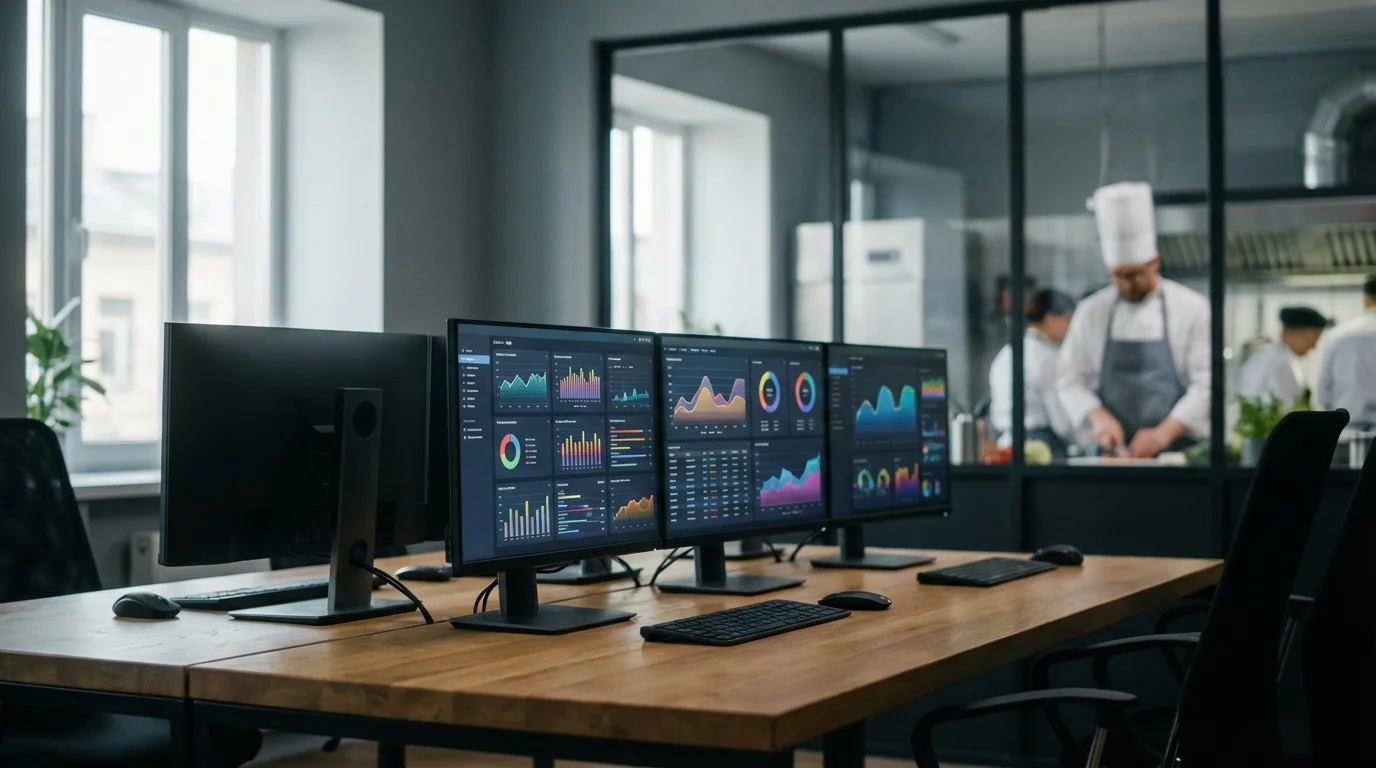
Social media for a restaurant: how to work them and get the most out of them
The pandemic has fundamentally changed the way businesses can interact with customers. While friends used to be able to invite their friends to their favorite restaurants, or a potential customer might walk past a new opening after work and decide to check it out, today, unless that new opening appears on someone's daily walking route, nobody is going to find it. That is where restaurant social media plays its role.
The good news is that social media offers you endless opportunities to showcase your personality and brand in the best possible way. They also offer much more control than face-to-face interactions. You can truly build your brand identity the way you want with every post, story or ad.
This is especially important considering that new generations (Gen Z) have shown that shared values are the main factor when choosing where to spend their money and time. Your accounts give you the space to promote your values and philosophy, which aligns with those of your customers and immediately creates a stronger personal bond between brand and customer.
Where do we start?
This may seem obvious, but you will need to decide which platforms to dedicate your time to in order to attract your buyer persona. Additionally, if you are using the same content across all platforms, you may not be getting the most out of your restaurant's social media.
Each social network is used differently by each generation. That means if you want to attract younger people, Facebook is never going to be the right place, but if you want to attract Boomers and older millennials, you have found your niche. Generally, Boomers and older millennials are most likely to engage on Facebook and give genuine opinions and comments on your page, from "checking in" for a meal to posting photos of their experience.
On the other hand, if you are targeting younger millennials and Gen Z (born between 1995 and 2000, the new young professionals), you will find them on Instagram. They will most likely tag you in their stories if they visit or order from you. Plus, they will be delighted if you repost their stories.
Finally, if you are looking to reach the modern Gen Z (born after 2000/college-age), TikTok is probably where you can find them following the latest trends and interacting with your followers.
Engagement is the key for your restaurant's social media
Since algorithms rejected the chronological timeline, engagement has been the key to success. That means it is no longer just about posting a pretty photo or video, but about interacting with your followers. Over the past year we have seen some great examples of how to get followers involved in the business, such as Hundred Burgers, which on several occasions has allowed its customers to name some of their burgers or choose old menu items to bring back.
However, there are more ways to encourage engagement than simply asking for comments. On Instagram in particular, the save and share buttons are especially important. The algorithm supposedly considers them more favorable than "likes" or comments, so if you can get people to save your content by sharing promotions or recipes they might need to reference later, or by encouraging followers to share your offers in their stories or with friends, Instagram will promote your content even more on the explore page.
The key is to get everyone involved, and that can be as simple as asking questions or running polls.
"We want to see everything"
The fear of missing out (FOMO) is one of the most powerful tools social media can provide. Nowadays, with everyone following what others are doing, seeing a very tasty and attractive dish promoted, especially if it is a limited-time offer, can push even the most indecisive to click and order.
That click action is a "golden ticket." If customers can go from scrolling through their Instagram stories to placing an order in two taps, they do not have time to think about it — they just do it.
The trick to success is presenting your best content. Professional, well-edited images that showcase the best of your food must be irresistible on their own, but if you pair them with a promotion, your engagement will go through the roof. Also, posting times are very important, which is why food delivery apps usually start sending notifications between 60 and 30 minutes before lunch and dinner times.
Reaching a wider audience with ads
As we all know, the business model of platforms like Facebook or Instagram is based on auctioning advertising space. They are the best at this because, like it or not, they have figured out how to accumulate user data and use it to show them the exact ad at the right time to give the advertiser the best chance of a sale.
Knowing your ideal customer, you can target social media ads to the exact demographic and location you think is most likely to want your food or services. Your knowledge, combined with the enormous amounts of data these platforms have, is the recipe for success. Location-based targeting is extremely useful for restaurants, as it allows you to target only users within your delivery area. This means you can make specific offers on delivery apps or even on your website and send your audience directly to the correct page.
There is also the option of remarketing to everyone who visits your website or social media profiles. This is very useful for people who find you while browsing and do not convert immediately. They will likely end up converting if you stay in their mind.
Influencers: Are they profitable?
Influencer marketing is tricky. On one hand, influencers with tens of thousands of followers can be a real sales boom through a restaurant's social media. However, there are many stories of supposed influencers who ask for free food in exchange for publicity and simply want to take advantage of restaurants. Do not work with just anyone. If you are going to work with an influencer, make sure to do your research. What you really want to know is what their engagement looks like — that is, how many saves, likes or clicks a particular post generates. If that number is high and your brand fits well with theirs, it could work. Most successful influencers will work for a fee rather than just for free, and you can close weekly or monthly publication packages.
There are countless success stories like Guakame Street Food — a vegan restaurant created by influencer Jonan Wiergo and his partner that has not stopped growing since before opening its doors. Not only because of the quality or type of food they offer, but because they have also managed to create a community around values and a philosophy that increasingly more people identify with and are attracted to.
Conclusion
As we mentioned at the beginning of the post, it is nothing new that having a social media presence for a restaurant has become a necessity. In fact, the social media managers of large chains are often in the news for their clever ideas. But it is not just the big chains that benefit from meticulously working their social media. All businesses can benefit from the additional visibility, since everyone is permanently glued to a screen. And getting loyal followers, attracted by your content and above all creating that sense of belonging that many people seek, is probably the key to seeing those green shoots that seem to be slowly emerging in the HORECA sector after the pandemic.
If you want to learn more about our sales forecasting tool for restaurants, visit our website.
You can also visit our LinkedIn profile.
Turn social media demand into operational readiness
Social media can fill tables fast, but if your operation is not ready, that visibility turns into waste, stockouts and inconsistent service. A successful campaign only works when purchasing, prep and staffing can keep up with the demand you create online.
With Forecasting, you can anticipate peaks from promotions and local events, adjust production and protect margins. Connected data also improves recipe costing, delivery notes and traceability, helping you reduce food cost by 3-5% and cut waste by more than 20%.
If you want to go deeper, we recommend reading University Campus: Multiple Service Points, One Single Forecast and Machine learning in food service.

