Operational intelligence for restaurant chains
Protect your margin dish by dish, location by location
Connect Prediction, Purchasing, OCR and more across your multi-location restaurant chain.












Why does every location have a different food cost?
Operational intelligence for restaurant chains is an application of artificial intelligence and Big Data in hospitality that enables optimizing operations, reducing costs, and making data-driven decisions across multi-location chains.
Without a centralized system, every location operates differently and margin erodes.
Uncontrolled food cost
Each manager buys from their own supplier and prepares based on their own judgment. Without a centralized benchmark, deviations are discovered in the monthly P&L.
Uncoordinated purchasing
Without demand forecasting, orders are placed on the fly. Stockouts, emergency purchases and non-approved suppliers erode margin.
Normalized waste
Without dish-level and shift-level forecasting, the kitchen over-prepares to avoid running short. Waste becomes an invisible cost that nobody questions.
From Forecast to Plate: Every Link in Your Chain under Control
Prediction, purchasing, goods reception, kitchen, inventory and buffet connected in a single workflow. Each module solves a real pain point in daily restaurant operations.
One Platform for Your Entire Group
Restaurant chains, franchises and multi-concept groups share the same challenge: ensuring every location operates to the same standard without depending on each individual manager's judgment. Controliza centralizes operational decisions — prediction, purchasing, goods reception, production, inventory — and lets each location execute with autonomy within the margins you define.
- Multi-location visibility — a single dashboard with food cost, waste, deviations and purchasing for all your locations in real time
- Centralized standard — recipe costing, approved suppliers, agreed prices and approval workflows applied equally across the chain
- Controlled autonomy — each manager executes within the framework operations defines, without micromanagement from head office
- New location onboarding — a new location inherits configuration, menu, suppliers and recipe costing from the group from day one
Demand Forecasting
Know how many dishes of each item you will sell tomorrow at every location. The forecast breaks down by dish, time slot, channel (dine-in, delivery, takeaway) and location so that mise en place stops being a gamble and a new manager performs like a veteran from day one.
- Forecast by dish and channel — granular forecasting that distinguishes dine-in, delivery and takeaway because each channel has a different menu mix
- Automatic outliers — holidays, campaigns, rain or the Sunday match: the model detects and isolates them without contaminating your sales history
- Benchmark across locations — compare accuracy, food cost and deviations dish by dish across all your locations from a single panel
- New menu item onboarding — a new dish with no history starts with data from similar dishes in the group and adjusts in days
Kitchen Production
The head chef opens the shift and has the production plan: how many portions of each station to prepare, what to defrost for tomorrow and what to pull from the walk-in. No improvising quantities or relying on anyone's memory.
- Production plan by shift and station — exact quantities of each preparation based on that location's real forecast, not the cook's experience
- Calculated defrostings — automatic list with real timing for each product, anticipating the next shift's production
- Data-driven mise en place — each kitchen station knows what to have ready and in what quantity before service
- Sub-recipes and recipe costing — breaks down recipes with yields and processing waste to calculate net purchase quantities
Buffet Control
If you have concepts with buffet, breakfast or self-service, measure what is served, what is replenished and what is discarded at every service. Real data by product and shift so you stop replenishing by guesswork.
- Computer vision by product — cameras identify each item on the buffet line without labels or codes
- Replenishment alerts — the system calculates consumption speed and alerts the team before the customer runs out of options
- Food Waste Law compliance — weighing + timestamp + automatic photo of each waste event. Exportable reports for HACCP audits
Centralized Purchasing
Your manager no longer decides what to order or from whom. The system crosses each location's forecast with real stock and generates the optimal order with approved suppliers. Off-contract purchases, emergencies and "I always order from this guy" disappear.
- Daily suggested order — every morning, each location has its order ready to review and send with one click. Based on what it will sell, not what the manager thinks
- Agreed price control — if a supplier raises the price of mozzarella by a cent per kilo, you detect it on the delivery note, not on the end-of-month invoice
- Centralized catalogue with exceptions — same suppliers and prices across the chain, with flexibility for local or seasonal products
- Off-contract elimination — immediate visibility when a location buys from a non-approved supplier
Delivery Note Digitization
The driver drops off the goods and your manager takes a photo of the delivery note. In 10 seconds you have supplier, products, quantities, prices and batches in the system. If the price doesn't match what was agreed or goods are missing, you know before signing.
- Photo to data in 10 seconds — extracts lines, quantities, prices and batches from any supplier's delivery note with no manual transcription
- Delivery note vs order vs contract cross-check — if you ordered 20 kg of salmon at 12 EUR and the delivery note says 18 kg at 12.50 EUR, two alerts trigger before approval
- Traceability from reception — batches and expiry dates are linked to each product from the moment it enters the location
- Direct stock entry — received goods update inventory automatically, with no double entry
Inventory and Stock
Real stock at every location in one panel. Guided counts from the phone, no paper or transcription. If the system says you have 30 kg of chicken but the count says 22, you know today, not at month-end close.
- Counts via app — the manager scans or selects, enters quantity and the system validates in real time. No paper, no transcription errors
- Theoretical vs actual stock deviations — automatic comparison by location and category. Detects hidden waste, unrecorded consumption or reception errors
- Digital FIFO and expiry dates — alerts before a product expires. Prioritizes rotation of older stock to reduce avoidable waste
- Food safety alert resolved in minutes — in case of a recall, locate the affected batch across all locations in one click
Asset Management
The manager needs a new fryer: request from the app, the workflow validates by amount and location, and when the equipment arrives it is verified with photos. No emails, no spreadsheets, no surprises at the quarterly close.
- Multi-level approvals — configurable workflow by amount and category. A broken chair is approved by the manager; a kitchen renovation goes through operations and management
- Digital record for each asset — location, purchase date, warranty, scheduled maintenance. You know what is in each location and in what condition
- Reception verification — the manager verifies delivery with photos and evidence. If something different from what was ordered arrives, the claim has documentary support
How it works in restaurants
Controliza connects with your POS and your existing systems. Without changing tools, your chain goes from estimating to operating with real data at every location.
We connect your POS
We integrate sales history from your POS by dish, shift and channel. With 3 months of data the model already generates useful forecasts. After 6 months, accuracy exceeds 90%.
The model forecasts by location
Every night, the AI recalculates the forecast for each location: dishes by shift, channel and day of the week. It crosses history, holidays, weather and seasonality.
Your team acts on data
The manager opens the shift with the production plan ready. Purchasing generates automatic suggested orders. The multi-location dashboard compares food cost across locations in real time.
Measurable Impact on Food Cost and Control
Discover how to connect all 7 modules in your chain
Request Free DemoIntegrates with Your POS, ERP and Restaurant Operations
Connect Controliza with your existing systems for more visibility and less friction

SAP Business One
Financial and operational ERP for multi-site hospitality.API + CSV/XML
SAP ByDesign
Cloud ERP for centralized management of hospitality groups.Cloud-native API

Business Central
Microsoft ERP for finance, purchasing and inventory.API REST + Power Automate

NetSuite
Oracle cloud ERP for financial management and supply chain.API + middleware

Sage Intacct
Accounting and finance ERP with multi-entity reporting.API REST

Odoo
Modular open-source ERP with inventory and purchasing modules.API XML-RPC/REST
Infor CloudSuite
Hospitality-specialized ERP with native F&B modules.API + ION middleware

Cuadis
Management ERP for organized food service in Spain.API + flat file

Toast
Restaurant management platform with integrated POS.API REST

Revo
Cloud POS for organized food service.API REST

Last.app
All-in-one POS for restaurants.API REST

Agora
POS and hospitality management.API REST

Camarero10
Spanish POS for bars and restaurants.API REST

BDP
POS software for hospitality.API REST

Prestige
POS and PMS for hotels.API REST

Winhotel
PMS + POS for hotels.API + PMS sync
HostelTactil
Touchscreen POS for hospitality.API REST
Detaly
POS and management for food service.API REST

Cloudbeds
Cloud PMS for independent hotels and chains.API REST

Mews
Next-generation PMS with integrated F&B management.API + webhooks
SAP Business One
Financial and operational ERP for multi-site hospitality.API + CSV/XML
SAP ByDesign
Cloud ERP for centralized management of hospitality groups.Cloud-native API
Business Central
Microsoft ERP for finance, purchasing and inventory.API REST + Power Automate
NetSuite
Oracle cloud ERP for financial management and supply chain.API + middleware
Sage Intacct
Accounting and finance ERP with multi-entity reporting.API REST
Odoo
Modular open-source ERP with inventory and purchasing modules.API XML-RPC/REST
Infor CloudSuite
Hospitality-specialized ERP with native F&B modules.API + ION middleware
Cuadis
Management ERP for organized food service in Spain.API + flat file
Toast
Restaurant management platform with integrated POS.API REST
Revo
Cloud POS for organized food service.API REST
Last.app
All-in-one POS for restaurants.API REST
Agora
POS and hospitality management.API REST
Camarero10
Spanish POS for bars and restaurants.API REST
BDP
POS software for hospitality.API REST
Prestige
POS and PMS for hotels.API REST
Winhotel
PMS + POS for hotels.API + PMS sync
HostelTactil
Touchscreen POS for hospitality.API REST
Detaly
POS and management for food service.API REST
Cloudbeds
Cloud PMS for independent hotels and chains.API REST
Mews
Next-generation PMS with integrated F&B management.API + webhooks
Chains already protecting their margin
Restaurant groups that have gone from managing by guesswork to making decisions based on real data from every location.
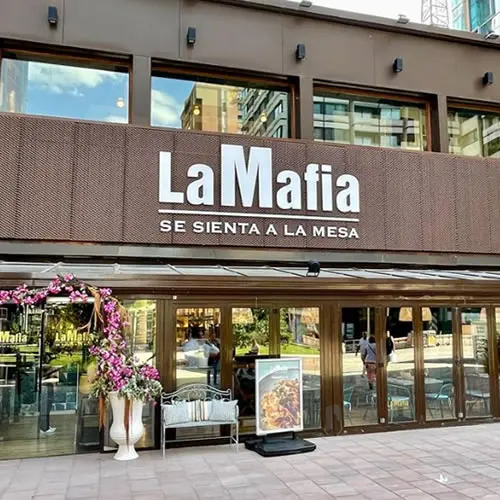
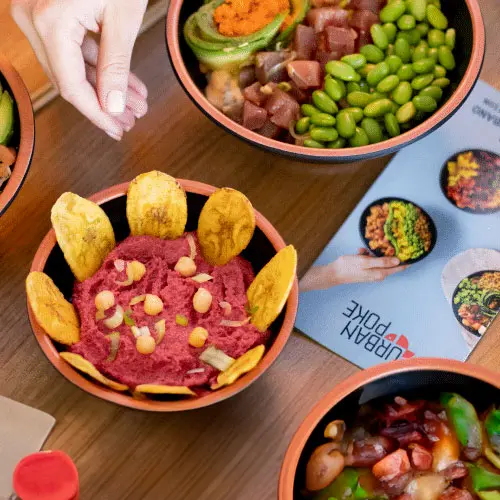
Controliza for Every Type of Restaurant
Each restaurant format has its own operational challenges. Discover how Controliza adapts to your model.
Frequently Asked Questions
How do I compare food cost across locations?
Controliza generates an automatic food cost benchmark by location, broken down by product family and ingredient. You see deviations in real time against the group standard and can act before month-end close. If a location deviates 3% on meats, you detect it in hours, not weeks.
How do I reduce emergency purchases across my chain?
With Prediction anticipating demand by dish and day, and Purchasing generating automatic suggested orders based on that forecast plus each location's real stock. The result: fewer stockouts, fewer off-contract purchases and fewer last-minute calls to non-approved suppliers.
What happens when I open a new location?
The new location automatically inherits the product catalogue, approved suppliers, recipe costing and purchasing rules from the group. Prediction starts with a model based on similar locations in your chain and adjusts with its own data within a few weeks. You don't start from zero.
Can I centralize purchasing while keeping local suppliers?
Yes. Controliza lets you define suppliers at group level and exceptions at location level. You can centralize the product families with the biggest food cost impact (meats, dairy, oils) and keep local suppliers for fresh or regional products. The system respects both logics.
How long does implementation take for a chain with 20+ locations?
The typical process is: diagnosis and configuration (1-2 weeks), pilot at 2-3 representative locations (4-6 weeks) and progressive rollout to the rest of the chain (8-12 weeks). In total, a chain of 20-30 locations is operational in 3-4 months. Larger chains follow the same process with phased rollouts.
How do I standardize kitchen production across locations?
With the Kitchen module, each location receives a production plan by shift based on real demand forecasting: defrostings, mise en place and picking lists. The cook knows what to prepare and how much, without relying on individual experience. Staff turnover stops being a problem because the process is guided.
Does Controliza work for restaurants with buffet or self-service?
Yes. The Buffet module measures consumption, replenishment and waste in real time using computer vision and weighing. You know which dishes are consumed the most, when to replenish and how much is wasted per service. Ideal for restaurant concepts with breakfast, brunch or self-service.
How do I control actual inventory at each location without paper?
With the Inventory app, the manager does guided counts from their phone: scan or select product, enter quantity and the system compares with theoretical stock in real time. If there are 30 kg of chicken in the system but the count says 22, you know today, not at month-end close. Digital FIFO and expiry alerts reduce avoidable waste.
How do I manage investments and assets at each location?
The CAPEX module lets you request equipment from the app with an approval workflow configurable by amount and category. Each asset has a digital record with location, warranty and scheduled maintenance. Reception is verified with photos to document any issues.
How do I digitize my suppliers' delivery notes?
With the OCR module, your manager takes a photo of the delivery note and in 10 seconds the system extracts supplier, products, quantities, prices and batches. If the price doesn't match what was agreed or goods are missing, alerts trigger before approving reception. Received goods update inventory automatically.

