When managing a hospitality business, one of the most important decisions is choosing your restaurant suppliers. Whether you want to open a restaurant or need to change the ingredients for your dishes, selecting the right suppliers is always one of the most decisive matters.
The importance of choosing the right suppliers in hospitality
If you don’t consider certain key questions about your suppliers, they can end up costing your hospitality business more money than necessary. That’s why it’s important to reflect on how crucial it is to choose the best option from the alternatives available to you.
In hospitality and foodservice, one of the most important factors is product quality. This can shape whether the customer’s perception is positive or negative. That’s why it’s essential to work with suitable, reliable suppliers.
Suppliers in hospitality are divided into:
Manufacturer:
o The supplier manufactures the product. Their price is usually low unless shipping distances are long enough to increase the cost.
Distributors:
o They act as intermediaries. They buy in bulk and then distribute to retailers. However, transport is usually cheaper and faster.
Self-employed suppliers:
o They usually showcase their products and services at trade fairs. They provide exclusive distribution of unique products.
Importers:
o They usually have a catalogue of foreign products and operate in a similar way to domestic wholesalers.
Before choosing a supplier in hospitality, what should we evaluate?
Before deciding on a supplier, you should consider following the steps below. Choosing a poor offer will not only affect the quality of your dishes, but also the way your restaurants operate. Therefore, before choosing one option over another, you should assess the following aspects:
Your restaurant’s needs.
o The supply must meet both your customers’ expectations and your own.
Your budget also determines who will become your supplier.
o As your budget increases, you can also improve the quality of your products.
You should always trust your team’s needs.
o The chef’s needs are the most important, because they will be the person most affected by the selected products.
What makes a good supplier in hospitality
Before choosing a supplier in the horeca industry, you shouldn’t just consider whether they have the ingredients you need, but also evaluate how they operate. Even if the product is good, if their organisation is chaotic or too limited when it comes to supply, it will be useless.
Based on this, we believe the most relevant characteristics of a good supplier are the following:
They won’t mislead you about the quality and origin of their products
o A good supplier will not misrepresent the quality of their supply or mislead you about its sources.
They are punctual, reliable and organised, and they will take your most important orders seriously.
o This is a very important point, because suppliers who fail to meet this requirement will affect the operation of your restaurant.
There is a balance between quality and price.
o A good supplier justifies the price with the high quality of the supply.
The key to the final choice
When choosing a supplier for your business, trial and error may not be the best option. That is why
we provide you with the following key tips:
Look for references.
o To do this, you can find information about them and their track record, the restaurants they supply, how those venues operate, etc.
Negotiate prices and payment terms.
o Make an effort to get discounts. Ask about them and what requirements you need to meet to obtain them.
o Communicate any problems you have found. Try to resolve incidents and inform the supplier to prevent them from happening again.
o Try to build long-term business relationships.
Evaluate references, licences and experience.
o For example, the ODEA certificate is an international certification for suppliers who have passed the review process with outstanding results.
Remember, it’s better to have several suppliers.
o One supplier alone can never meet all your needs. If you are looking for unmatched products, then you should have one supplier for each product.
If you want to learn more about our sales forecasting tool for restaurants, visit our website.
You can also visit our LinkedIn profile
How to make sure every supplier delivers on what was agreed
Choosing the right supplier is only the first step. The real problem comes later: prices changing without notice, delivery notes with discrepancies, items outside the approved catalogue, off-contract purchases, and sites ending up ordering different products for the same recipe. All of this directly affects your recipe costing, drives up food cost, complicates traceability, and creates waste that often goes unnoticed until month-end.
To prevent this, you need an ongoing control system, not just a good initial negotiation. When you centralize the approved catalogue, define authorized suppliers, and compare every delivery against what was agreed, you can spot deviations in price, quantity, and product range immediately. This helps you reduce errors in delivery notes, limit unauthorized purchases, and keep operations more consistent across sites, even when demand shifts or supply issues arise.
With Controliza Compras, you can standardize purchasing criteria, automate orders based on forecast and real stock, and verify at goods receipt that the supplier delivers exactly what was agreed. And if you connect it with Predicción, you can align purchasing more closely with expected demand, reduce overstock and stockouts, and improve compliance by site, area, or supplier using objective data.
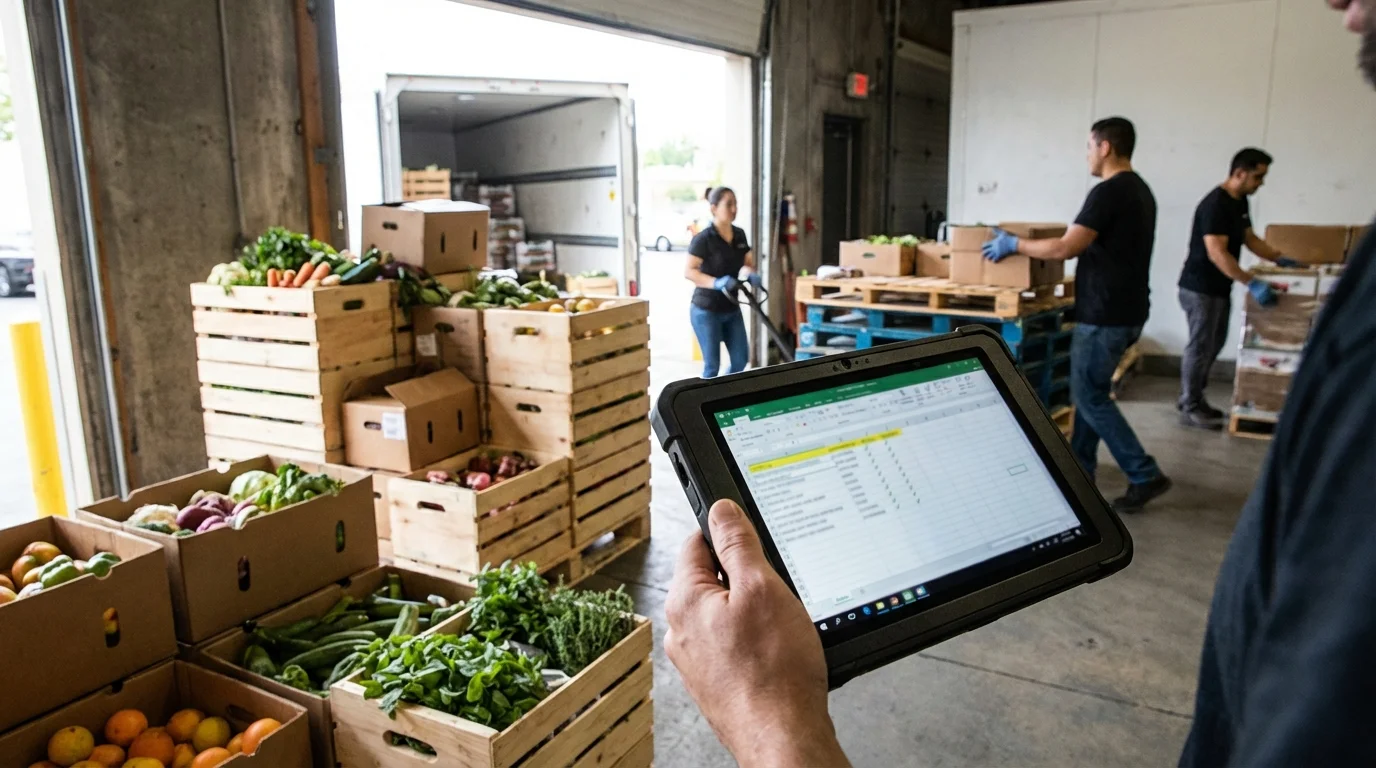
The importance of choosing hospitality suppliers wisely
If certain questions about suppliers are not considered, they will end up costing your hospitality business more money than necessary. We must therefore reflect on the importance of choosing the best option among our alternatives.
In hospitality and food service, one of the most important aspects is product quality. This will shape whether the customer's perception is positive or negative. That is why it is important to have suitable and reliable suppliers.
Hospitality suppliers are divided into:
Manufacturers:
The supplier manufactures the product. Their price is usually low unless there is a long shipping distance that increases the cost.
Distributors:
They act as intermediaries. They buy in bulk and then distribute to retailers. However, transport tends to be cheaper and faster.
Independent suppliers:
They usually showcase their products and services at trade fairs. They provide exclusive distribution of unique products.
Importers:
They usually have a catalogue of foreign products and operate similarly to domestic wholesalers.
Before choosing a hospitality supplier, what should we evaluate?
Before deciding on a supplier, we should follow the steps below. Choosing a poor offer will not only affect the quality of our dishes, but also the operation of our restaurants. Therefore, before choosing one or another, we must study the following aspects:
Our restaurant's needs.
The supply must meet both customer expectations and our own.
Our budget also determines who will become our supplier.
As the budget increases, we can also improve the quality of our products.
We must always trust the team's needs.
The most important are the chef's, because they will be the person most affected by the selected products.
Characteristics of a good hospitality supplier
Before choosing a supplier in the HORECA industry, we should not only consider whether they have the ingredients we need, but also evaluate how the supplier operates. Even if the product is good, if the organization is chaotic or very limited when it comes to supply, it will be useless.
Based on this, we believe the most relevant characteristics of a good supplier are:
They will not deceive about the quality and origin of their products
A good supplier will not distort the quality of their supply or mislead about their respective sources.
They are punctual, reliable and organized, and will take their most important orders seriously.
This is a very important point, because suppliers who fail to meet this requirement will affect the operation of our restaurant.
There is a balance between quality and price.
A good supplier justifies the price with good supply quality.
The key to the final choice
When choosing a supplier for your business, trial and error may not be the best option. That is why we provide you with the following keys:
Look for references.
You can find information about them and their track records, the restaurants where they serve their products, how these places operate, etc.
Negotiate prices and payment plans.
Make an effort to get discounts. Ask about them and what requirements you must meet to obtain them.
Communicate any problems you have found. Try to resolve incidents and inform the supplier to prevent them from happening again.
Try to establish long-term business relationships.
Evaluate references, licenses and experience.
For example, the ODEA certificate is an international certificate for suppliers who have passed the outstanding review process.
Remember, it is better to have several suppliers.
A single supplier can never meet all our needs. If we seek incomparable products, we should have a supplier for each product.
If you want to learn more about our sales forecasting tool for restaurants, visit our website.
You can also visit our LinkedIn profile.
If you want to go deeper, we recommend reading Getting the Kit Digital for hospitality and Order management in hospitality.

